Garden Clearance in Feltham

Garden clearance in Feltham should make outdoor spaces usable again without turning the process into a disruption. We provide a practical service for clearing green waste, broken outdoor items, old planters, damaged timber, soil, and mixed garden debris, with a focus on tidy removal and sensible sorting. Whether the job is part of seasonal maintenance, a move, or a larger outside tidy-up, the aim is to leave the area ready for the next stage of use.
Our work covers straightforward clearances through to more involved jobs where materials have built up over time. That can include overgrown corners, shed-adjacent clutter, cut branches, pots, fencing offcuts, and items that are too bulky for easy household disposal. We also handle garden clearance requests where customers want a clear, simple service for exterior waste, and we can discuss the best approach when there is a mix of reusable, recyclable and general waste material.
If you need a tidy outdoor space brought back under control, start with a clear list of what needs removing and what should stay. Then ask for a quotation once you have a sense of the volume and access. A brief description is usually enough to begin, and photos can help make the estimate more accurate. If you are comparing options, it is worth looking at how the job will be sorted, loaded and removed rather than focusing only on speed.
What our garden clearance service covers
Many clearances are not just about collecting obvious green waste. Gardens often contain mixed materials that have accumulated in stages, such as pruned branches, dead plants, broken furniture, old compost bags, collapsed decorative features and loose household items that have drifted outside. A useful clearance service deals with that mixture in a calm, ordered way so the remaining space can be used more easily for planting, play, storage or general outdoor living.
We can also remove items that are awkwardly shaped or heavily weathered, including timber offcuts, edging, buckets, cracked pots and garden ornaments that no longer serve a purpose. Where appropriate, waste is separated to support recycling or more suitable disposal routes. For customers who need a broader outdoor tidy, our waste removal service can complement garden work when the rubbish includes general waste beyond the usual green material.
It helps to think in terms of categories before a job begins. For example:
Green waste: branches, cuttings, grass, plants and hedge trimmings.
Hard garden waste: pots, slabs, broken fixtures and timber.
Mixed outdoor waste: bags, clutter, damaged items and miscellaneous rubbish.
When the load is clearly described, the clearance can be planned more efficiently and the right vehicle space can be allocated from the outset.
Sorting, loading and responsible disposal

A well-run clearance depends on more than simply lifting items away. Materials need to be handled in a way that suits their type, condition and disposal route. Green waste is often kept separate from heavier mixed rubbish, while reusable materials may be diverted where that is practical. This approach supports tidier working and helps avoid unnecessary mixing of waste that could otherwise be processed differently.
For many customers, the main concern is knowing that the job will be handled carefully from start to finish. That means lifting items safely, moving them without damaging paths or borders where possible, and leaving the site clear of loose fragments. Our recycling and sustainability information gives a fuller view of how waste handling is considered across the business, including the practical aim of diverting suitable materials away from disposal wherever possible.
Before booking, it is useful to check access points, gate widths, side paths and any restrictions on where vehicles can stop. If there are fragile beds, narrow sections or uneven ground, those details help shape the method of removal. You do not need a perfect inventory, but a basic outline of the load makes the quotation process more accurate and reduces the chance of surprises on the day.
When a garden needs more than a light tidy
Some gardens only need a quick sweep of leftover clippings, while others have been neglected long enough to need a fuller clearance. In more involved jobs, we may be dealing with dense vegetation, partially hidden rubbish, stacked materials and items that have become unstable over time. The work then becomes a balance of clearing access, separating waste and restoring the usable parts of the space in a controlled order.
That is especially relevant when old structures or bulky objects have been left outdoors for a long time. Rotting wood, broken plastic storage, collapsed frames and damaged outdoor fittings can all add weight and volume without being visually obvious at first. In these cases, a home clearance style approach to organisation can be helpful, because it encourages a methodical view of what should be removed, kept or set aside for separate handling.
Good preparation is not complicated. A few photos, a short note on whether the area is front, side or back garden, and mention of any particularly heavy pieces will usually do. If access is through the house or around a narrow passage, that should be noted as well. Clear information does not have to be lengthy; it just needs to be specific enough to support an accurate estimate and a workable plan.
Garden items, outdoor furniture and mixed fixtures
Garden clearance often includes more than plant matter. Customers frequently need outdoor furniture removed, along with broken parasols, rusted metal frames, damaged storage units and worn items that are no longer safe or useful. These pieces can be cumbersome, especially where they have absorbed water or deteriorated in poor weather. We deal with that sort of outdoor clutter as part of a broad clearance service, keeping the process straightforward for the customer.
When materials are no longer suitable for repair or reuse, they still need to be removed in a sensible order. Larger pieces are usually taken out first so smaller debris can be gathered properly afterwards. If your clearance includes indoor overflow items stored in a shed or lean-to, a wider flat clearance style of sorting can be relevant, particularly when the load contains both household and exterior items that need separating before removal.
It is often helpful to decide in advance whether anything is staying, because garden clearances can look simple until a few important items are hidden among the clutter. Marking what should remain, or grouping keep items away from the removal area, saves time and reduces the risk of misunderstanding. That small amount of preparation can make the actual clearance much smoother.
Access, timing and practical quotation details
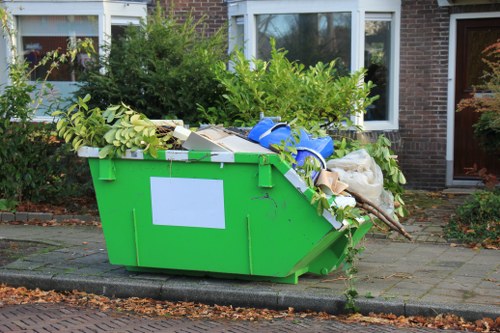
The size of a garden clearance is only one part of the job. Access, distance from the vehicle, the mix of waste and any awkward lifting all affect how the work is planned. A quotation is usually more reliable when it reflects the real conditions of the site rather than just the rough quantity of waste. That is why a clear description of steps, paths, gates and load type is so useful.
For larger or more complex jobs, it may also help to mention whether the clearance needs to fit around other work such as landscaping, repairs or a move. That gives a clearer picture of how the service should be staged. If you also need garage clearance alongside the garden work, it can sometimes be sensible to combine the two, especially where outdoor clutter has spread into an attached or nearby storage space.
Useful details to have ready:
- What needs removing and what should stay
- Whether the waste is mostly green, mixed or bulky
- How the garden is accessed
- Whether there are any heavy, sharp or awkward items
- Any preferred timing or site restrictions
Garden waste, soil and heavier outdoor material
Not every clearance is made up of light cuttings. Some jobs include bags of soil, broken turf, stone, old paving remnants or other heavier outdoor material that can affect the load significantly. These items need to be handled carefully because weight and volume do not always match; a small-looking pile of soil or rubble can still change the plan for lifting and transport. A proper clearance takes that into account from the outset.
Where heavy material is mixed with plant waste, separation is especially useful. Keeping soil away from lighter green waste can support more appropriate disposal and avoid unnecessary contamination. For customers planning a broader outdoor project, the service can sit alongside builders waste clearance when the garden work involves rubble, old hardstanding, or leftover material from improvement works rather than routine cutting and pruning alone.
Customers sometimes underestimate how much material can be hidden under overgrowth, especially where beds or corners have not been cleared for a long time. A realistic quotation depends on the full picture, not just the obvious top layer. If you are unsure what is underneath, a few clear photographs from different angles usually help more than trying to describe every item in detail.
About Feltham
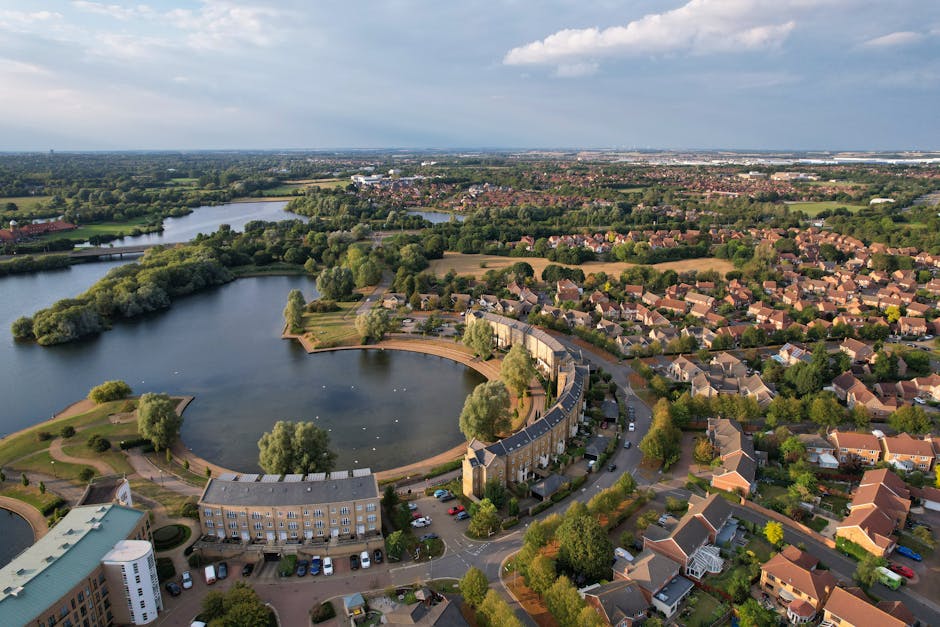
Feltham is a district in the London Borough of Hounslow, in west London, with a history that stretches back well before its modern suburban form. The name is associated with an area once shaped by rural land use and later by transport links, market growth and twentieth-century development. Today, the district combines residential streets, local shopping areas and a landscape shaped by nearby routes into Heathrow and the wider western side of the capital. Its position gives it a distinctly urban character, yet it still sits close to open spaces and waterways that help define the surrounding borough. The locality is also associated with Feltham Green, a historic focal point that reflects earlier village patterns before extensive change reshaped the area. Rail connections have been important to Feltham’s identity for a long time, linking it with central London and neighbouring towns. The built environment includes a mix of post-war housing, later infill development and surviving older structures, so the area presents a layered streetscape rather than a single architectural period. Local parks and open spaces add contrast to the denser residential parts, while the broader borough provides access to parks, riverside paths and heritage buildings across west London. As a result, Feltham is best understood as a place where older boundaries, transport corridors and modern suburbia overlap, creating a varied and practical urban setting with its own local character.
How we approach different garden clearance jobs

Different properties call for different working methods. A tidy terrace with a compact rear yard is not approached in the same way as a larger boundary garden with multiple access points and heavy overgrowth. We adapt the removal order to suit the space, beginning with any items that block movement and then working through the remaining waste in a logical sequence. That keeps the site manageable and helps the end result look deliberate rather than rushed.
Some customers need a simple one-off clearance after pruning or outdoor maintenance, while others are looking for a more complete reset of a neglected area. In either case, the main objective is the same: remove what no longer belongs there and leave the accessible space clean enough for the next use. If the job includes items from a shed, outbuilding or back passage, furniture clearance may also be relevant where larger household pieces or bulky items need taking away with the garden debris.
We try to keep the process easy to understand. You tell us what needs removing, we assess the likely load and access, and we agree a quotation based on the actual job rather than a vague assumption. If there are fragile plants, boundaries or surfaces nearby, mention them at the start so the removal method can be planned with those features in mind.
Choosing the right level of clearance
Not every customer needs the same scale of work. Some want a simple collection of bags and cuttings, while others need a broader clear-out of clutter, broken outdoor items and waste that has accumulated across several seasons. Choosing the right level of service means being honest about how much is present, how difficult it is to reach and whether any items need special handling because of size or condition.
That is where an informed quotation is useful. It helps you compare a straightforward removal of green waste with a more involved clearance that includes mixed rubbish, heavier items or more complex access. If you also have storage overflow, it can be worth reviewing loft clearance options when the property contains items that have been moved around over time and are no longer clearly sorted between indoor and outdoor use.
In practical terms, a good clearance leaves the remaining garden easier to maintain. Once the waste is gone, borders are easier to define, paths become safer to use and the space can be assessed more clearly for whatever comes next. If you are ready to move forward, ask for a quotation today and share the basic details so the job can be sized properly.
Planning a straightforward enquiry
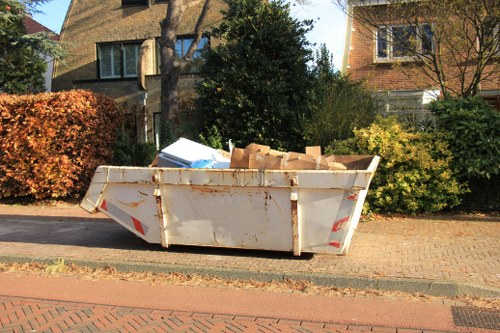
A concise enquiry is usually enough to get the process moving. Start with the type of waste, the size of the area and the access available, then add any special points such as large branches, damp materials, heavy containers or items that need to be kept separate. The clearer the initial description, the easier it is to shape a quotation that reflects the actual work rather than an estimate built on guesswork.
If the clearance relates to a larger property project, it may help to mention what stage the work is at and whether other trades are involved. That can influence how the waste is removed and whether the job is best handled in one visit or as part of a phased plan. Where relevant, a broader about us page can provide background on the company, while the main practical aim here remains the same: remove unwanted garden material carefully and efficiently.
Ready to clear the space? Send a short description of the garden waste, and use a quotation request when you are ready to compare the likely cost and scope. If you prefer, begin with a list of the main items and work out the details from there. Either way, the service is designed to turn a cluttered outdoor area into a clearer, easier-to-use part of the property.