Rubbish removal for Feltham High Street shops and cafes
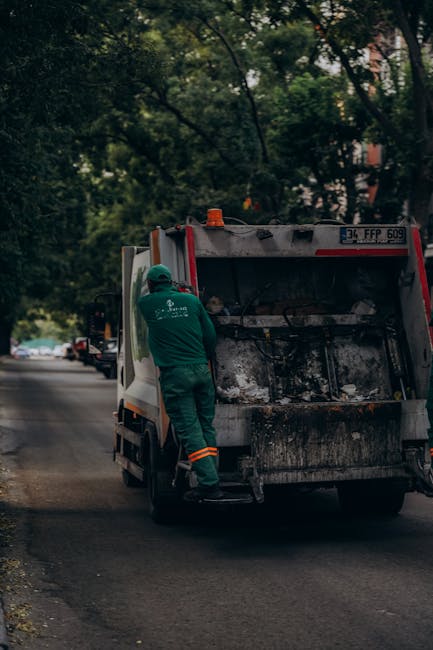
If you run a shop, cafe, takeaway, or small hospitality business on Feltham High Street, you already know how quickly waste builds up. A few cardboard deliveries, a burst bag of food waste, an old display unit, broken packaging, and suddenly the back area looks as if it has had a long, bad day. Rubbish removal for Feltham High Street shops and cafes is not just about tidying up; it is about keeping your business safe, presentable, and easy to work in.
Done well, rubbish clearance supports customer experience, staff morale, hygiene, and day-to-day efficiency. Done badly, it creates clutter, odours, blocked storage areas, pests, and avoidable stress. This guide breaks down how commercial rubbish removal works, what to expect, what to avoid, and how to choose a practical service that fits the rhythm of a busy high street.
Expert summary: for most Feltham High Street businesses, the best rubbish removal approach is a simple one: keep waste streams separated, book collections around opening hours, clear bulky items quickly, and choose a provider that understands both retail and cafe realities. That combination saves time and prevents the sort of back-of-house mess that tends to snowball when everyone is busy.
Why rubbish removal for Feltham High Street shops and cafes matters
High street premises live or die on first impressions. Customers may not see your stock room or the tiny space behind the counter, but your staff do. So do delivery drivers. So do inspectors, contractors, and anyone who has to squeeze past the bins with a tray of coffee or a crate of pastries. A cluttered waste area can make a business feel tired, even when the front of house looks sharp.
For shops, the common pain points are packaging waste, damaged shelving, display stands, obsolete point-of-sale materials, and old stock that no longer fits the season. For cafes, it is often a mix of food waste, grease-related waste, broken seating, end-of-life fridges, worn smallwares, and cardboard from daily deliveries. None of that is unusual. It is just business life, honestly.
There is also a practical side. Waste left too long can block fire exits, attract pests, create slip hazards, and make cleaning harder. In a compact high street unit, one overfilled corner can affect the whole room. You will notice it in the smell first, then the mood, then the workflow. Not ideal before the morning rush.
That is why a reliable rubbish removal plan matters: it keeps the business moving, the space workable, and the customer-facing area free from the sort of mess that quietly undermines confidence.
How rubbish removal for Feltham High Street shops and cafes works
Commercial rubbish removal is usually more flexible than people expect. In plain English, it means a team comes to your premises, assesses the waste, removes it safely, and disposes of it through the appropriate channels. Depending on the job, that might happen as a one-off clear-out or as part of an ongoing waste management routine.
A typical visit often starts with a quick look at access. High street loading points, narrow pavements, upstairs storage, shared yards, rear alleyways, and parking restrictions can all affect how the clearance is planned. For cafe and retail units, timing matters too. Early morning, after closing, or during a quieter trading window is often easiest. That bit sounds simple, but it saves a lot of hassle.
The removal process usually involves sorting items into broad categories before lifting begins. General rubbish, recyclable materials, bulky furniture, electricals, and any items needing extra care are handled separately where appropriate. For example, a cafe replacing several chairs and a damaged table may need a different approach from a shop clearing broken stock and cardboard.
If you are organising a bigger clearance, it is sensible to combine rubbish removal with related services. A business that is refitting a back office may also need office clearance, while a premises that has had building work may benefit from builders waste clearance. Using a service that already handles business waste removal can make the whole process feel much less fragmented.
Key benefits and practical advantages
The obvious benefit is a cleaner premises. But the real value goes a bit deeper than that.
- Better hygiene: regular rubbish removal reduces odours, spill risk, and pest attraction, which matters even more in food-led businesses.
- Safer working conditions: clear walkways reduce trips, manual handling problems, and awkward lifting around tight corners.
- More usable space: many high street units are short on storage. Clearing old furniture or packaging can give you back a corner you thought was lost forever.
- Improved customer perception: if the back-of-house area is controlled, the front of house tends to feel more organised too.
- Less staff frustration: nobody enjoys working around stacked rubbish or half-dismantled fixtures. It wears people down.
- Flexible scheduling: collections can often be timed around trading hours, which helps cafes and shops stay open without disruption.
There is also a subtle but important business advantage: when waste is dealt with properly, managers make faster decisions. A broken freezer, for example, stops being a "we should move that later" problem and becomes a clear operational task. That sounds small, but small problems are often what slow a busy premises down.
If sustainability matters to your team or your customers, choosing a provider with a strong recycling focus helps. You can also review recycling and sustainability information to better understand how waste streams are handled and what can often be diverted away from landfill.
Quick takeaway: good rubbish removal is not just about emptying bins. It is about keeping trade smooth, protecting staff, and making the premises easier to run on a Monday morning and a Saturday lunch rush alike.
Who this is for and when it makes sense
This service is relevant to a wide range of Feltham High Street businesses. The most obvious are cafes, coffee shops, sandwich bars, bakeries, convenience stores, vape shops, independent retailers, salons with front-of-house stock, and takeaway outlets. But the list is broader than that.
You may need rubbish removal if you are:
- refitting a shop interior
- replacing cafe furniture
- clearing storage that has become overloaded
- disposing of damaged stock or packaging
- moving out of a unit
- closing temporarily for works
- making room for seasonal displays or new equipment
It also makes sense when waste starts to interfere with trading. A back room should not feel like a puzzle to walk through. If staff have to twist sideways to get past bags, boxes, and old fixtures, the business is probably due a clear-out. No drama, just reality.
Smaller businesses often wait too long because they assume rubbish removal is only for big refurbishments. Truth be told, some of the most useful clearances are quite modest: a few broken tables, half a pallet of packaging, or an outgrown storage cupboard that is now basically a shrine to old invoices and dust. We have all seen that room.
Step-by-step guidance
If you want the process to run smoothly, a little preparation goes a long way. Here is a practical way to handle it.
- Identify what needs removing. Separate general rubbish from bulky items, recyclable materials, fixtures, and anything that may need special handling.
- Decide on timing. Choose a collection slot that least affects customers and staff. Early mornings and after closing are often easiest on a busy high street.
- Check access. Think about rear entry, stairways, narrow corridors, parked vehicles, and whether anything needs to be moved before the team arrives.
- Clear the route. Make sure the path from storage to exit is free enough for safe lifting and movement.
- Brief your staff. A five-minute handover can prevent confusion. Everyone should know what is staying and what is going.
- Handle special items separately. Electricals, furniture, and bulky fixtures may need their own handling plan.
- Ask about disposal approach. It is reasonable to ask how mixed waste is sorted and what happens to recyclable material.
- Confirm the final scope. Before the team starts, make sure the agreed items match what is actually being removed. Saves awkward surprises.
If your premises include old chairs, shelving, or counters, you may find it helpful to look at furniture clearance or furniture disposal options as part of the plan. These services often fit neatly alongside a high street clearance, especially during refurbishments or a change of layout.
And if you are moving out completely, you may want to consider whether the job is closer to a wider house clearance-style emptying process or a compact commercial clear-out. Different spaces, same basic principle: remove the clutter safely and properly.
Expert tips for better results
In our experience, the easiest clearances are the ones where the business has already made a few decisions. Nothing fancy. Just a bit of prep.
Keep waste streams separate
Cardboard, food waste, general rubbish, and bulky items should not all be thrown into one pile if you can avoid it. Separation makes loading faster and helps reduce mistakes during disposal. It also tends to make the collection cleaner and less chaotic. Less chaos is good. Very good, actually.
Use a simple label system
For a shop, coloured tape or handwritten labels can help staff mark items for removal. For a cafe, a quick note like "broken," "replace," or "remove this week" is often enough. You do not need a professional filing system. You need clarity.
Think about trading noise and smell
If waste includes old food containers, wet cardboard, or equipment that has been sitting too long, schedule the removal before the space gets too warm. Midday heat can make a back room unpleasant in a matter of hours. Not exactly a customer experience priority, but still.
Take photos before the collection
This is a small but useful habit. Photos help you confirm what was present before removal, which is handy for internal records and planning future clearances. It also helps when different members of staff have different ideas about what "definitely needed to go" means.
Ask about recycling routes
A good provider should be able to explain, in plain language, how recoverable materials are handled. If you want to support your own sustainability goals, the recycling and sustainability approach should be part of the decision, not an afterthought.
One more practical tip: if you are juggling clearance and a refurbishment at the same time, keep the waste work separate from stock deliveries. Mixing the two usually creates bottlenecks. It sounds obvious, then somehow Wednesday arrives and nobody can find the exit route.
Common mistakes to avoid
A lot of waste problems in shops and cafes come from simple oversights, not major mistakes. That is the good news. The bad news is that these small oversights can linger for weeks.
- Leaving removal until the last minute. A small pile becomes a blocked storage area surprisingly fast.
- Not checking access in advance. A collection team cannot work efficiently if the route is blocked by deliveries, bins, or locked side gates.
- Mixing everything together. Bulky furniture, general rubbish, and recyclables can be easier to handle separately.
- Ignoring awkward items. Old fridges, fitted counters, and damaged display units often need a bit more planning than a bin bag.
- Forgetting staff involvement. If the team did not know the plan, items can get moved, re-stacked, or accidentally kept.
- Assuming all waste can go out the same way. It cannot. Well, not sensibly anyway.
Another common issue is overcommitting to a clean-out when a lighter clearance would do. Shops and cafes sometimes decide to "clear everything," then realise some items were actually useful. A little caution helps. You do not need to strip the place bare to make it work better.
Tools, resources and recommendations
You do not need a long shopping list to organise rubbish removal, but a few basics make life easier. Think of this as practical housekeeping rather than project management theatre.
- Heavy-duty bin bags: useful for general rubbish and smaller loose items.
- Labels or tape: simple markers for "remove," "keep," and "recycle."
- Gloves and basic PPE: sensible for staff moving waste before collection.
- Hand trolley or sack barrow: helpful for moving cardboard or bundled items safely.
- Measuring tape: useful when checking whether bulky furniture will fit through exits.
- Phone camera: quick documentation before and after the clearance.
From a service standpoint, the most useful pages to review are usually pricing and quotes for budget planning, insurance and safety for confidence around handling, and health and safety policy information if the clearance involves staff movement, lifting, or awkward access.
If you are comparing providers, ask straightforward questions: How is waste sorted? What happens to reusable items? Can they work around opening hours? Do they understand the practical realities of a high street location? Those questions tell you far more than a glossy sales pitch ever will.
Law, compliance and best practice
For shops and cafes, compliance is mostly about duty of care, safe handling, and keeping waste managed in a way that does not create nuisance or risk. You do not need to become a waste expert overnight, but you do need to know enough to avoid sloppy habits.
In the UK, businesses are generally expected to manage commercial waste responsibly, store it safely, and use suitable arrangements for collection and disposal. In practice, that means not abandoning waste outside the premises, not allowing it to interfere with pedestrians, and not relying on a "we'll sort it later" approach when the back room is already full.
Food businesses should be especially careful with odorous waste, contamination, and storage conditions. Even non-food retailers can run into trouble if packaging, broken fixtures, or old stock are left in a way that obstructs exits or makes the premises harder to clean. Best practice is simple: keep records where needed, use a provider you trust, and make waste arrangements part of normal operations rather than an emergency clean-up.
It also helps to review relevant business information pages before booking. For example, terms and conditions explain the commercial relationship, while about us can give a better sense of the company's approach and working style. That is not paperwork for the sake of it. It is part of making a sensible decision.
Options and comparison table
Different businesses need different approaches. A small cafe clearing three broken chairs will not need the same setup as a busy retailer replacing shelving and stockroom units. Here is a simple comparison that may help.
| Option | Best for | Advantages | Limitations |
|---|---|---|---|
| Regular bin collection only | Very low waste volume | Simple and predictable | Not suitable for bulky items or one-off clear-outs |
| One-off rubbish removal | Refits, seasonal clear-outs, and bulky waste | Fast, flexible, and focused on a specific job | May not suit ongoing high waste output |
| Planned commercial waste removal | Busy shops and cafes with repeat waste | Keeps premises consistently manageable | Needs a routine and a bit of scheduling |
| Full premises clearance | Closures, moves, or major changes | Clears everything in one structured visit | Requires more preparation and clear instruction |
If the job includes leftover seating, counters, or display units, furniture-related services may be more appropriate than a general waste-only approach. That is where furniture clearance can sit neatly alongside wider rubbish removal. For businesses with larger operational spaces, office clearance can also be relevant, especially where admin areas, storage rooms, or upstairs offices need clearing at the same time.
Case study or real-world example
Imagine a small Feltham High Street cafe that has been running for a few years. The front counter looks fine, but the back area has become a bit of a catch-all. There are two cracked cafe chairs, a broken shelf, some old menu boards, flattened cardboard, and a spare fridge that stopped working during the summer rush. Nothing dramatic. Just an accumulation.
Staff have been stepping around it for weeks. Cleaning takes longer than it should, and the manager has started storing fresh packaging in a place that is not really designed for it. Customers never see this area, of course, but the pressure it creates is real. Every time a delivery comes in, someone mutters, "We really need to clear that out."
After a planned rubbish removal visit, the back space becomes usable again. The broken items are gone, the route to storage is clearer, and the team can move stock without awkward side-steps. The cafe does not suddenly become perfect. Life is not like that. But the space works again, and that matters. A lot.
That kind of result is often the real goal: not some dramatic transformation, just a calmer, safer, more workable business day.
Practical checklist
Use this checklist before your collection to keep the process smooth.
- Identify what is being removed and what is staying
- Separate general waste, recyclables, and bulky items
- Check access points, gates, stairs, and parking restrictions
- Choose a collection time that avoids your busiest trading period
- Tell staff what should be left in place
- Move fragile items away from the route if needed
- Take photos of the area before the clearance
- Confirm whether furniture, electricals, or fixtures need special handling
- Review pricing, terms, and safety information in advance
- Plan what you want the space to be used for afterwards
If you are also dealing with storage overflow at home or with a mixed-use property above the shop, related services such as flat clearance or home clearance may be useful in a broader planning sense. Not every clearance is the same, and sometimes the best solution is a combination of services rather than one oversized booking.
Conclusion
Rubbish removal for Feltham High Street shops and cafes is really about keeping the business easy to run. Clean storage, safe routes, and sensible waste handling reduce stress in a way you only fully appreciate once the clutter is gone. It is one of those jobs that quietly improves everything else around it.
The best results come from simple planning: know what needs to go, choose the right time, check access, and work with a service that understands the realities of high street trading. If you get those parts right, the rest tends to fall into place quite naturally. And that's a relief, frankly.
Get a free quote today and see how much you can save.
When the bins are sorted, the floors are clear, and the back room breathes again, the whole place feels lighter. Small thing, maybe. But on a busy high street, small things matter.
Frequently Asked Questions
What types of waste can be collected from Feltham High Street shops and cafes?
Most standard commercial clearances cover general rubbish, cardboard, packaging, broken furniture, worn fixtures, and many bulky items. If you have electrical equipment, refrigerated units, or unusual materials, it is best to mention them early so the collection can be planned properly.
Can rubbish removal be arranged outside trading hours?
Often, yes. Many businesses prefer early morning or after-hours collections so customers are not disrupted. That can be especially useful for cafes with peak breakfast and lunch periods, or shops with limited rear access.
Do I need to sort the waste before the team arrives?
It helps a lot if items are roughly grouped, but you usually do not need to do a full, perfect sort. A basic separation of general rubbish, recyclables, and bulky items makes the job faster and keeps things clearer for everyone.
Is rubbish removal suitable for a small independent cafe?
Absolutely. In fact, small cafes often benefit a great deal because storage is usually tight. Clearing a few broken chairs or old appliances can free up more space than people expect.
What if the waste includes old furniture or display units?
That is common. Furniture and fixtures are often handled as part of a broader clearance, and services like furniture clearance can be useful when the items are too large for normal waste handling.
How do I know whether I need a one-off clearance or ongoing waste removal?
If waste builds up after a refit, stock change, or deep clean, a one-off clearance is usually enough. If your business generates regular high volumes of rubbish, a more routine commercial waste arrangement may make better sense.
Can a clearance include storage rooms and back-of-house areas?
Yes. In fact, those are often the areas that benefit most. Back rooms, basements, stock spaces, and upstairs storage areas tend to accumulate items slowly until they become awkward to manage.
What should I ask before booking rubbish removal?
Ask how access will be handled, what types of waste are accepted, whether the provider can work around opening hours, and how they approach recycling and safety. Those answers tell you a lot about how smooth the job will be.
Will rubbish removal disrupt my customers?
It does not have to. With good timing and clear access, disruption can be kept low. That is one reason many businesses prefer a planned collection instead of waiting until the mess becomes urgent.
What happens to the waste after collection?
That depends on the type of material, but a responsible provider should sort items appropriately and aim to divert recyclable or reusable materials where possible. If sustainability matters to you, it is worth reviewing the provider's recycling approach.
Is it better to clear waste little and often or all at once?
For busy shops and cafes, a steady rhythm often works best. Still, when you are dealing with a build-up, a single well-planned clearance can reset the space quickly. It really depends on the volume and the pace of your business.
Can I combine rubbish removal with other property clearance services?
Yes, and that is often the neatest solution. If your premises also need office clearance, builders waste clearance, or furniture disposal, combining the work can be more efficient than booking everything separately.